



Genius Books
Genius Books Gift Cards
from $10.00
📚 Discover the Perfect Gift: Genius Books Gift Cards! 🎁
Looking for the ultimate gift for the bookworm in your life? Look no further! Genius Books is your go-to destination for gripping true crime stories, electrifying rock 'n' roll biographies, and captivating fiction that will transport you to new worlds. With our Gift Cards, you can give the gift of endless literary adventures to your loved ones.
🕵️♀️ Dive into the Darkest Mysteries:
Uncover the chilling secrets of real-life crimes with our extensive collection of true crime books. From unsolved mysteries to infamous cases, our titles will keep you on the edge of your seat, craving for more.
🎸 Rock On with Legends:
Get up close and personal with rock 'n' roll icons! Our rock 'n' roll books delve into the lives of music legends, offering a backstage pass to their wild journeys, struggles, and successes. From Elvis to The Rolling Stones, we've got it all.
📖 Immerse Yourself in Fiction:
Escape into a world of imagination with our captivating fiction books. Whether you're into romance, fantasy, or thrillers, our diverse fiction collection has something for every reader. Lose yourself in gripping narratives and unforgettable characters.
🎉 The Gift of Choice:
Our Gift Cards give your loved ones the power to choose their next literary adventure. With a wide range of titles across different genres, they can explore their interests and discover new passions. It's the perfect gift for birthdays, holidays, or just because!
🌟 Why Choose Genius Books Gift Cards?
- Thoughtful and versatile: Ideal for any occasion.
- Access to a world of books: Our catalog caters to diverse tastes.
- Easy to redeem: Seamless online shopping experience.
- Delivered straight to their inbox: Perfect for last-minute gifting.
🎯 Ready to Give the Gift of Reading?
Purchase your Genius Books Gift Card today and make someone's day a little more extraordinary. Let their reading journey begin!
🛍️ Click the "Add to Cart" button now and share the joy of books with your loved ones. Gift-giving has never been this exciting! 📚🎉


Spreadconnect
Genius Logo Shirt
$22.45
Discover our Men's T-Shirt, crafted with sustainably and fairly grown USA cotton for an eco-friendly choice that doesn't skimp on style. Featuring double-needle stitching throughout, a seamless rib at the neck, and taped shoulder-to-shoulder construction for enhanced structure. Available in multiple colors, including Safety Green, which complies with ANSI / ISEA 107 high-visibility standards, this t-shirt is perfect for ensuring safety in high-risk environments or simply adding a vibrant touch to your outfit.
Made with sustainably and fairly grown USA cotton
Classic fit
Safety Green is compliant with ANSI / ISEA 107 high-visibility standards
Double-needle stitching throughout; seamless rib at neck
Fabric weight: 5.3 oz (midweight)
100% USA preshrunk cotton, Heather Gray is 90% cotton and 10% polyester. Safety Green is 50% polyester & 50% cotton.
Brand: Gildan or Fruit of the Loom
Imported product, printed & processed in the USA
THE FOLLOWING COLORS ARE CURRENTLY FRUIT OF THE LOOM BRAND: Yellow, Khaki, & Aquatic Blue
normal fit
A
B
C
S
27.99 inch
17.99 inch
6.22 inch
M
28.98 inch
20 inch
6.5 inch
L
30 inch
21.97 inch
6.97 inch
XL
30.98 inch
23.98 inch
7.24 inch
2XL
31.97 inch
25.98 inch
7.48 inch
3XL
32.99 inch
27.99 inch
7.72 inch
4XL
33.98 inch
30 inch
7.99 inch
5XL
35 inch
31.97 inch
8.46 inch

Mercury Media llc
Grateful Dead Discography Grids
$2.00
These information documents for each of the official Trade Mark of Quality releases includes the known details for each genuine TMQ title. This includes the TMQ catalogue number, artist, record title, track list, musicians, venue, recording date, master tape and record matrix info and the other particulars for each album.


Ralph Sutherland and Harold Sherrick
Great White Wonder Discography Poster
$25.00
This beautiful, full color poster includes all 16 albums in the Great White Wonder discography from Trade Mark of Quality.
The poster is 18x24 inches, and is available for shipping most places in the world.


Philip W. Parker
Guard (Hardcover)
$28.95
Guard: A True Story of Duty, Sacrifice, and Leadership in Kentucky's Maximum Security Penitentiary
In 1978, Philip Parker started his decades-long career as a prison guard at the Kentucky State Penitentiary, a place known as "The Castle" for its medieval look. On his first day, a mass escape set the tone for the dangerous and intense journey ahead. Over the years, Parker faced numerous challenges, from federal court allegations to life-threatening situations, including a dramatic hostage crisis with a notorious inmate.
Parker's memoir takes readers through the emotions and realities of prison life. From handling daily violence and suicides to witnessing murders caused by racial tension and other conflicts, Parker describes the harsh environment of the prison. Guard includes detailed accounts of harrowing events, like the highway crime spree where two of his colleagues were shot.
The book also covers the evolution of the prison itself, from its early days with medieval punishments to modern-day improvements. Parker shares his experiences as a warden, dealing with staff corruption, inmate violence, and the heavy responsibility of carrying out court-ordered executions.
Guard is a vivid and honest account of a life spent managing the worst in human behavior while finding moments of compassion and redemption. It highlights the dedication and resilience required to maintain order in such a challenging environment, and offers a unique perspective on the sacrifices made by those who work in the prison system.

Philip W. Parker
Guard (Paperback)
$20.95
Guard: A True Story of Duty, Sacrifice, and Leadership in Kentucky's Maximum Security Penitentiary
Step Behind the Bars: Experience life inside “The Castle,” Kentucky State Penitentiary, through the eyes of a seasoned prison guard.
Witness Unthinkable Events: From mass escapes and hostage crises to daily violence and racial tensions, every page delivers gripping, real-life drama.
Relive Harrowing Moments: Discover chilling details, including a highway crime spree where two officers were shot, and the struggles of managing executions.
Explore the Evolution of Justice: Learn how the penitentiary transformed from medieval punishments to modern-day practices, reflecting the changing face of the prison system.
Gain Unique Insights: Understand the toll on those tasked with managing society’s most dangerous individuals, as well as the compassion and resilience required for the job.
Perfect for True Crime and Memoir Fans: An unforgettable read for those captivated by real stories of duty, sacrifice, and leadership under extreme conditions. Dr. Norman Rose, professor of Sociology and Criminology at Kent State University, will be pairing Guard with his book, A Career in Corrections, for use with his students. When used together in a course, the books offer students the opportunity to read insightful perspectives of an instructor within the discipline and a correction officer within the field, providing them with a holistic and comprehensive understanding of work within the corrections system. https://titles.cognella.com/a-career-in-corrections-9798823310499
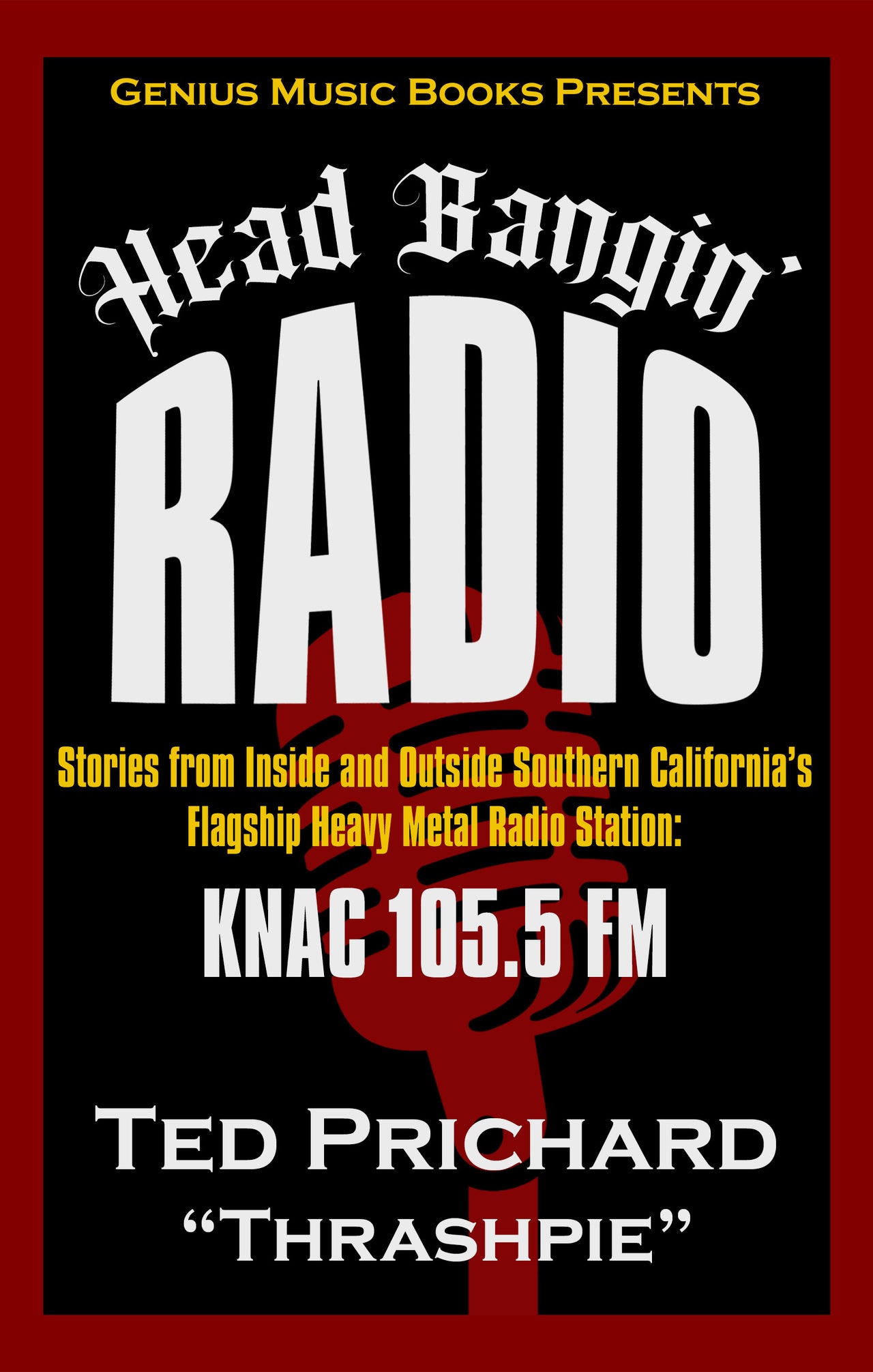
Ted Prichard
Head Bangin' Radio (Paperback)
$14.95
Every hero has a beginning, and for Ted Prichard, his was on a tiny 10-watt college radio station in Southside, Virginia. Known to his fans as Thrashpie, Thrasher, Rock ‘N’ Roll Ted, Uncle Lee, or the Dream Merchant, Ted’s career led him from overnight weekend air shifts broadcasting to the “night people” of the deep South to standing on stage at the Los Angeles Coliseum in front of 80,000 screaming metalheads as one of the most beloved radio personalities in the 1980s and ‘90s.
Head Bangin’ Radio is an exciting memoir of the era of FM rock radio at Los Angeles’s flagship heavy metal station, KNAC-FM, through the days of Pirate Radio and beyond. For fans of heavy metal, those nostalgic for the great days of rock radio, or anyone who wants a good laugh at the absurdity of show business (and Thrasher himself!), Head Bangin’ Radio delivers. If you ever wondered what it was like to be on the radio, or just what the heck those people were really doing “in there” as you listened, Ted lets it all hang out, blemishes and all, with humor and love for a medium that is all but gone today.
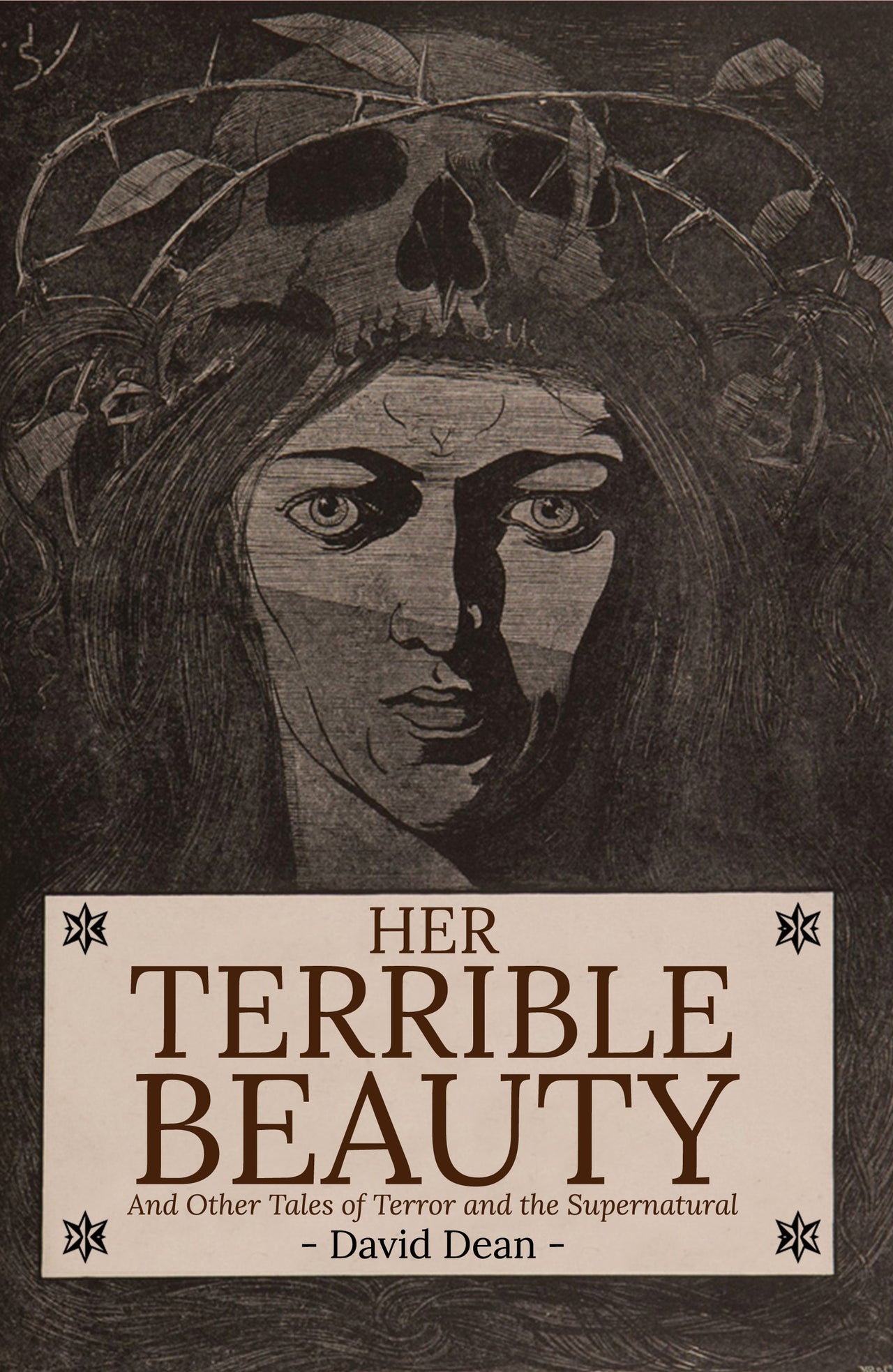
David Dean
Her Terrible Beauty (Paperback)
$15.50
In this chilling collection, prolific short story writer David Dean turns his talents to tales of suspense and the supernatural. Nominated for Edgar, Derringer, and Barry Awards, as well as twice winning Ellery Queen Mystery Magazine’s prestigious Readers Award, Dean proves here that he’s no stranger to an even darker world than that of crime fiction. Her Terrible Beauty and Other Tales of Terror and the Supernatural offers a variety of stories that will amply demonstrate his talent for the terrifying.
A writer who decides to winter over at his family’s lake cottage discovers that an unsettling local legend contains much more than a kernel of truth, in war-torn Bosnia a company of Serbian soldiers happen upon a village like no other they have encountered… and wish they hadn’t, and a student of Edgar Allan Poe’s literature uncovers the real reason why three roses and a bottle of Cognac are left on his grave every January 19th.
Her Terrible Beauty and Other Tales of Terror and the Supernatural is the third volume in the collected short fiction of David Dean.


Mark G. Hewitt DBA
Hunted: The Zodiac Murders (Paperback)
$22.95
The Zodiac serial killer claimed the lives of at least five young victims between 1966 and 1974, and mocked the police with telephone calls, taunting letters, and encrypted messages. Thousands of men have been accused; nearly 2,500 have been investigated. Yet the Zodiac has never been identified.
This painstakingly researched and meticulously detailed compendium to the Zodiac serial killer case by True Crime author Mark Hewitt presents the crimes and their effect on a community, including the various sides of the many disputed issues within the case.
HUNTED: The Zodiac Murders is the true story of America's greatest criminal mystery. This indispensable companion book is accessible to anyone interested in joining the pursuit, exploring a mystery, or witnessing the police response to an appalling crime spree.
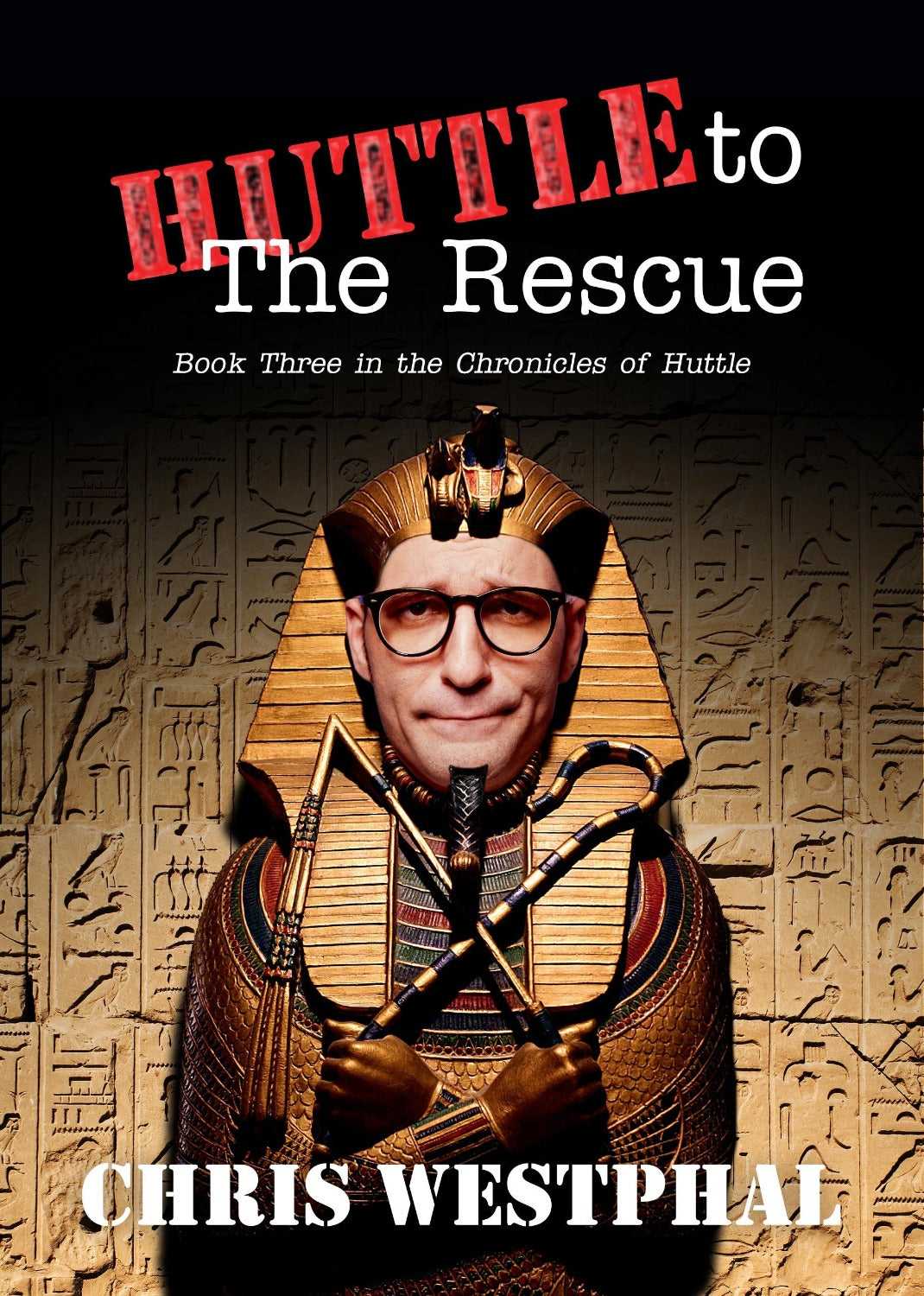
Chris Westphal
Huttle to the Rescue
$15.50
The Emperor of Japan is a pyromaniac, living in the orange groves of Echo Valley as he plots revenge against Tom Huttle, who he believes has ruined his life. Meanwhile, Tom is in Baltimore to collect a writing award, while his wife and her bawdy traveling companion have been kidnapped by terrorists in Cairo.
It’s up to Tom to save the day.
The third book in The Chronicles of Huttle is an intricately constructed black comedy that skewers everything from post-Cold War paranoia to sexual taboos to our fascination with youth, beauty, and celebrity.
Huttle to the Rescue is book three in the Chronicles of Huttle.


Robert Harwood
I Went Down To St. James Infirmary (Paperback)
$19.95
This is the new Fourth Edition, with extra chapters and more details on this beloved song.
Discover the song that shocked the nation!
Unravel a Musical Mystery: Discover the rich history of "St. James Infirmary," one of the most enduring and influential jazz-blues songs, tracing its roots from folk traditions to its modern cultural impact.
Dive into Jazz Era Intrigue: Follow a cast of fascinating characters—musicians, moguls, and minstrels—who shaped the song and left their mark on American music and culture.
Meticulously Researched, Wryly Told: Authored by Robert W. Harwood, this book blends humor, scholarly rigor, and vivid storytelling to illuminate the song’s origins, evolution, and mysterious allure.
Praise from Critics and Scholars: Called "the definitive statement on the subject," the book has been lauded for its compelling narrative and cultural insight by music historians and fans alike.
A Must-Read for Music Lovers: Whether you're a jazz enthusiast, history buff, or curious reader, this is a fascinating exploration of music’s power to inspire, unite, and endure.

Chris Westphal
In Huttle We Trust
$15.50
It’s the early 1990s, and Tom Huttle has abandoned film and television writing for a more stable, although far less glamorous, career as a business writer. When he finally sells his first book—Garbage—he believes that wealth and celebrity are just around the corner.
With his wife and son, he moves to tiny, isolated Echo Valley. The place seems ideal, until Tom learns that life there is dominated by Bagnoosianism, a crackpot religion presided over by the enigmatic Swami Bagnoose.
Tom’s wife soon succumbs to the cult’s allure, while his fragile son falls under the spell of a shifty conman from long ago in Tom’s life. Meanwhile, Tom’s agent makes increasingly bizarre demands for the book, and Tom nurtures a maniacal fondness for pink lemonade. And then things began to get weird.
In Huttle We Trust is book two in the Chronicles of Huttle.

Harold Sherrick
In the Twinkling of an Eye
$45.00
Some photographs capture what someone looked like. The best ones capture who was there.
In In the Twinkling of an Eye: The Photography of Harold Sherrick, veteran Los Angeles photographer Harold Sherrick turns his camera toward the faces of a music world he knew from the inside.
These are not simply photographs of famous people. They are portraits shaped by proximity, friendship, timing, and a photographer’s instinct for the moment before it disappears. Sherrick grew up in Los Angeles alongside its evolving music scene, photographing musicians, artists, and public figures not only onstage, but in studios, record stores, radio stations, hotels, homes, and the unexpected places where memorable images happen. His subjects in this collection include Ray Charles, Robbie Robertson, Brian Wilson, Ginger Baker, photographer Henry Diltz, and many more.
Following Stolen Moments, Sherrick’s acclaimed collection of rock-and-roll photography, In the Twinkling of an Eye brings his work together through the intimacy of portraiture. The result is both a photographic record and something more personal: a view of music history through the eyes of someone who was there, camera ready, when the moment arrived.
Because with photography, time waits for no one.
Preorder In the Twinkling of an Eye today.

Mercury Media llc
Janis Joplin Discography Grid
$2.00
These information documents for each of the official Trade Mark of Quality releases includes the known details for each genuine TMQ title. This includes the TMQ catalogue number, artist, record title, track list, musicians, venue, recording date, master tape and record matrix info and the other particulars for each album.


Marshall Terrill & Anthony DiMaria
Jay Sebring: Cutting to the Truth (Hardcover)
$35.95
In the glitz and glamour of 1960s Hollywood, Jay Sebring stood as an icon of innovation and style. A visionary who invented men's hair care and design concepts, Sebring wasn’t just a hairstylist—he was the architect of a $100-billion-a-year industry. His revolutionary techniques and signature charm drew legends like Frank Sinatra, Steve McQueen, and Paul Newman to his chair, making him a trusted confidant to Hollywood’s elite. From inauspicious roots in Michigan to Hollywood's "star among the stars," Jay Sebring embodied the American Dream.
Yet, in a cruel twist of fate, his extraordinary legacy was overshadowed by the horrifying Manson Family murders. Instead of being remembered for his groundbreaking work and larger-than-life personality, the media painted Sebring as a symbol of Hollywood’s so-called decadence—a distortion that served salacious narratives and tarnished his name.
Jay Sebring….Cutting to the Truth, now illuminated through exclusive insights from Sebring’s family, collaborators, legal and forensic authorities, and criminal perpetrators, reveals the man behind the myth. Discover how Jay Sebring’s influence lives on, shaping our culture in ways we often take for granted. It’s time to reclaim his legacy from the shadows of his tragic end and celebrate the dazzling contributions that made him a Hollywood pioneer and historical figure.

Marshall Terrill & Anthony DiMaria
Jay Sebring: Cutting to the Truth (Trade Paperback)
$26.95
In the glitz and glamour of 1960s Hollywood, Jay Sebring stood as an icon of innovation and style. A visionary who invented men's hair care and design concepts, Sebring wasn’t just a hairstylist—he was the architect of a $100-billion-a-year industry. His revolutionary techniques and signature charm drew legends like Frank Sinatra, Steve McQueen, and Paul Newman to his chair, making him a trusted confidant to Hollywood’s elite. From inauspicious roots in Michigan to Hollywood's "star among the stars," Jay Sebring embodied the American Dream.
Yet, in a cruel twist of fate, his extraordinary legacy was overshadowed by the horrifying Manson Family murders. Instead of being remembered for his groundbreaking work and larger-than-life personality, the media painted Sebring as a symbol of Hollywood’s so-called decadence—a distortion that served salacious narratives and tarnished his name.
Jay Sebring….Cutting to the Truth, now illuminated through exclusive insights from Sebring’s family, collaborators, legal and forensic authorities, and criminal perpetrators, reveals the man behind the myth. Discover how Jay Sebring’s influence lives on, shaping our culture in ways we often take for granted. It’s time to reclaim his legacy from the shadows of his tragic end and celebrate the dazzling contributions that made him a Hollywood pioneer and historical figure.

Mercury Media llc
Jeff Beck Discography Grid
$2.00
These information documents for each of the official Trade Mark of Quality releases includes the known details for each genuine TMQ title. This includes the TMQ catalogue number, artist, record title, track list, musicians, venue, recording date, master tape and record matrix info and the other particulars for each album.

Mercury Media llc
Jefferson Airplane Discography Grid
$2.00
These information documents for each of the official Trade Mark of Quality releases includes the known details for each genuine TMQ title. This includes the TMQ catalogue number, artist, record title, track list, musicians, venue, recording date, master tape and record matrix info and the other particulars for each album.

Mercury Media llc
Jethro Tull Discography Grids
$2.00
These information documents for each of the official Trade Mark of Quality releases includes the known details for each genuine TMQ title. This includes the TMQ catalogue number, artist, record title, track list, musicians, venue, recording date, master tape and record matrix info and the other particulars for each album.

Mercury Media llc
Jimi Hendrix Discography Grids
$2.00
These information documents for each of the official Trade Mark of Quality releases includes the known details for each genuine TMQ title. This includes the TMQ catalogue number, artist, record title, track list, musicians, venue, recording date, master tape and record matrix info and the other particulars for each album.